Avoid Common Security Fencing Mistakes with Expert Tips. Ensure correct placement, suitable materials, and optimal height for reliable security.
Choosing the wrong type of fence
A common mistake many property owners make is picking a fence based only on price or appearance, without thinking about the real risks at hand. A fence that suits a quiet office may not suit a busy yard with valuable stock. If the fence does not match the threat, it may only slow someone down for a few seconds. Good security starts with choosing a design that fits the site and what you are protecting.
Different fence styles stop different actions. Some fences are easier to cut, while others are easier to climb or force apart. If you choose without checking how the intruders might try to get in, you may leave out a clear weakness. Making sure to look at all the likely entry points, such as the dark corners and back lanes, helps you choose more wisely.
The environment matters too. Coastal air, heavy rain, and pollution can cause rust and wear faster than expected. A fence that looks fine at first may fail early if the finish is not suitable for the local weather. Choosing a fence that can cope with the conditions reduces future repairs and keeps security strong.
It is also easy to forget about access points. Even the best fence is less useful if the gates are weak, poorly placed, or left unsecured. The fence and gates should work as a single system, with consistent strength and safe entry for staff. Planning access at the start avoids changes later that create new gaps in security.
Gaps under the fence line
Gaps under a fence are usually created by uneven ground, poor fitting, or changes in the site over time. Small spaces can grow as soil shifts, drains are added, or vehicles wear down the edge. These gaps can allow intruders to crawl under or lift panels. They can also let animals in, which may cause damage or create safety issues.
Gapping issues are not always plain to see from a distance. Your fence can often look straight and secure, all while hiding a low spot underneath the boundary line. Watch out for areas near slopes, driveways, and drainage channels, as these are the most common weak points, and we recommend checking these first. Lots of checks along the full boundary help you spot these issues before they become worse.
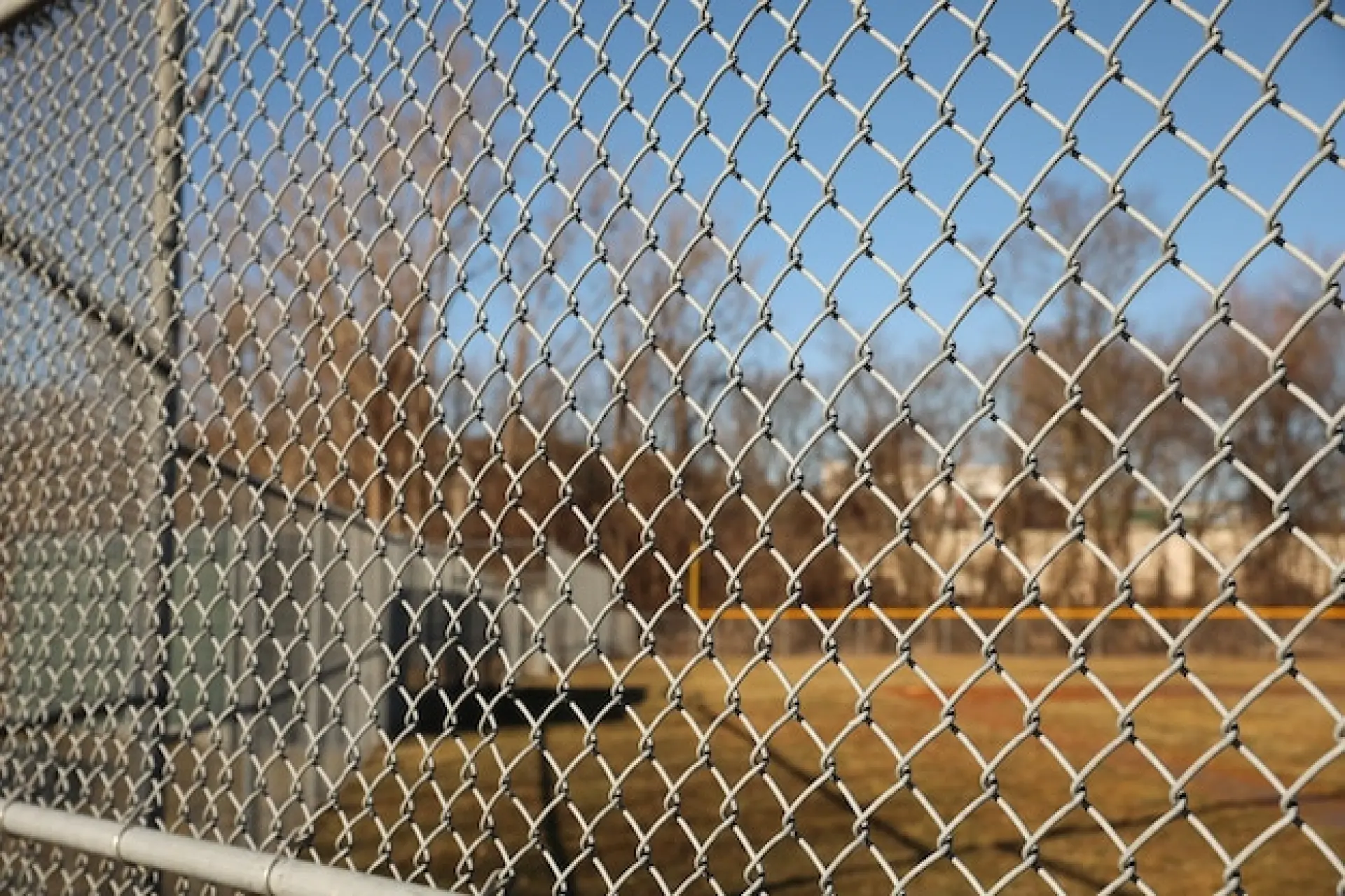
Good installation reduces the risk. Setting posts correctly, following the ground level, and using the right base options can close off easy access. In some cases, a small retaining edge, a concrete strip, or a deeper set fence line may be needed. The right solution depends on the surface and how the site is used.
Maintenance is just as vital as the first installation. Storms, frost, and constant traffic can change the ground levels much faster than you may expect. Filling all the washed-out sections and resetting loose panels keeps the fence doing its job. Treating small gaps early is cheaper and safer than dealing with a break-in later.
Picking a fence that is too low
A fence that is too low can turn your boundary into a simple hurdle. If someone can step over it or climb it with little effort, it will not provide much protection. This is especially risky for sites with tools, fuel, or high-value items. Height is one of the simplest ways to make entry more difficult.
Low fences can also create a false sense of safety. Staff may assume the site is protected and become less alert about locking gates and securing doors. When the fence does not slow an intruder down, the rest of the security plan may not get the time it needs to work. A good fence should support your wider security measures, not weaken them.
Choosing the right height depends on the location and the likely threat. A site in a busy area may face different risks from one on a quiet road. It also matters whether the boundary is near objects that help climbing, such as bins, stacked pallets, or parked vehicles. Planning the area around the fence can be as important as the fence itself.
Think about how much taller fences will impact your current site. In order to do this, you may need stronger posts, better foundations, and gates that match the same height and strength. If the fence is increased later, it can sometimes be much more costly and might not blend as well with what is already there. When you set the correct height from the start, you can avoid waste and improve overall security.
Using low quality materials to save money
Choosing cheaper materials can lead to a number of problems that cost more over time. Low-quality steel, weak fixings, or thin wire can be easier to bend, cut, or snap. Some finishes may peel or fade quickly, which can lead to rust and damage. When materials fail early, the fence becomes a weak point instead of a barrier.
The use of poor materials can also create some safety risks. Sharp edges from broken parts, loose panels, and unstable posts can injure the staff or visitors who enter and exit. In windy or harsh weather, weak systems may shake, lean, or come loose. A fence should not only protect the site, but it should also keep it safe and stable for daily use.
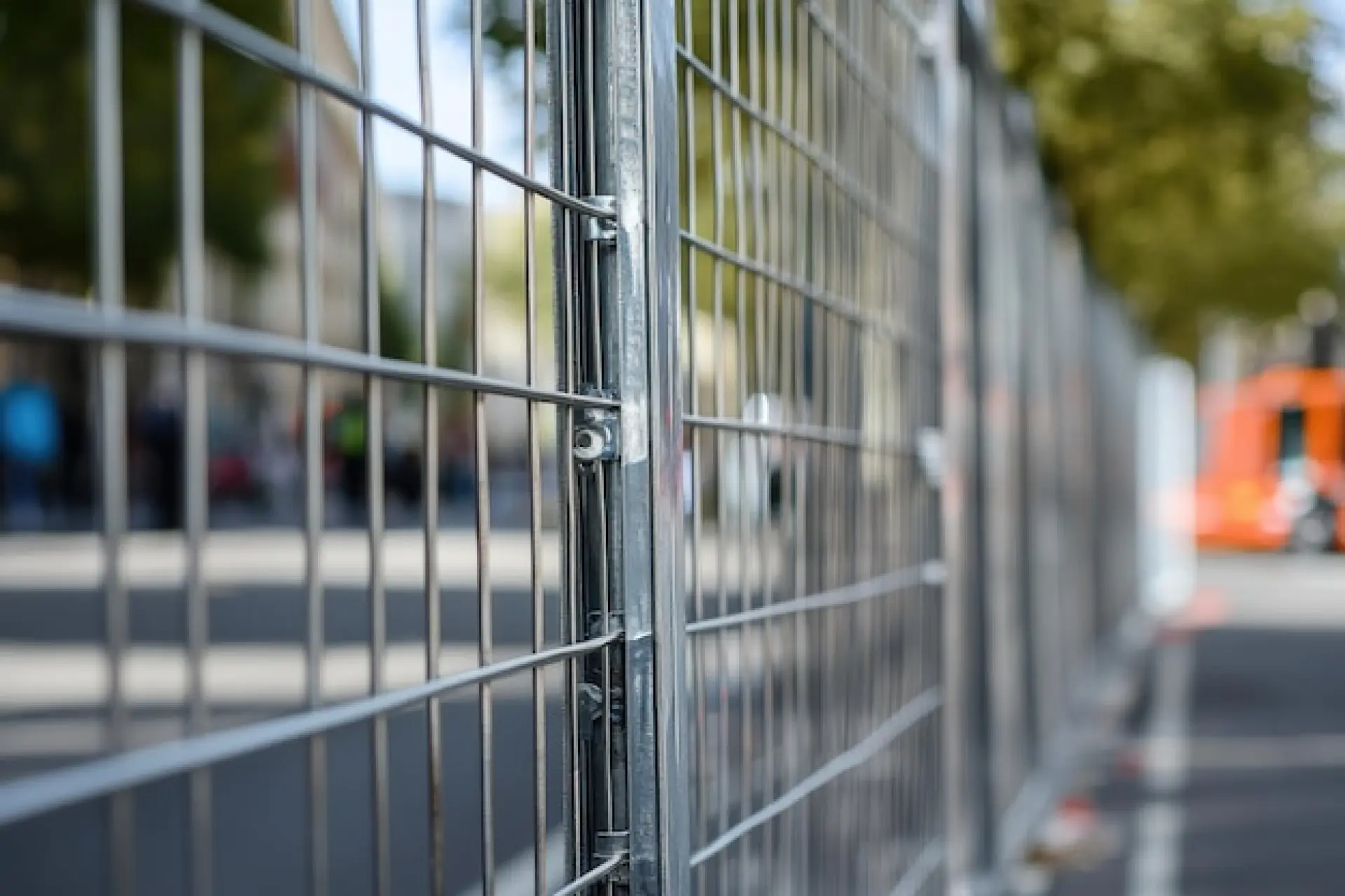
The real cost usually shows up during repairs and replacements. Frequent maintenance can disrupt work and lead to repeated call-outs. If your fence needs patching up often, it may never return to its original full strength.
Sometimes, replacing the whole system is the only safe option, and this can be far more expensive than opting for better materials at the start.
If you wish to avoid this mistake, it’s best to focus on the value instead of the lowest price. Ask fence installers about the material thickness, coatings, and the strength of posts and fixings.
Think about how long the fence needs to last and what kinds of conditions it will face each year. Paying more for better quality can limit the amount of downtime and provide much more reliable security.
Installing on the wrong boundary line
Installing a fence in the wrong place can cause serious disputes. If the fence sits on a neighbour’s land, you may be asked to move it, even if the mistake was not intended. This can also affect access routes, parking areas, and delivery spaces. The cost of removal and reinstallation can be high, especially for large sites.
Boundary lines are not always clear just from looking at them. Old fences, hedges, and walls may not always match the current legal boundaries in your local area, and past changes can add confusion. Even small errors can matter when the boundary is long or when land values are high. Using the correct documents and clear measurements helps reduce this risk.
It can also affect planning and any future projects. If the fence is out of place, it can sometimes block routes that are needed for new buildings or site changes. It might also cause a number of issues with drainage, shared access, or emergency routes. Sorting the boundary before installation avoids delays and protects your plans.
A careful approach involves lots of checks before work begins. Use reliable boundary information and make sure all decision makers agree on the fence line. There should be clear markings on the ground to help installers place the posts accurately. Taking these steps early can prevent legal stress and protect good relationships with neighbours.
Blocking CCTV views with the fence layout
A fence can reduce the value of CCTV if it is planned without thinking about camera angles. Thick posts, solid panels, or awkward corners can block important views. If cameras cannot see key areas, intruders may find blind spots to use. A fence should support surveillance, not work against it.
Any layout issues usually happen near the gates, loading bays, and entrances. These are high-risk areas where clear views matter most. If the fence line forces cameras to look through too many layers, image quality can drop massively. Poor visibility at night can become even worse if the lighting is not planned in tandem with the fence.
The solution is to then carefully plan your fencing and CCTV systems at the same time. Map out all the camera positions, then choose fencing that keeps sight lines completely clear. Any options with more advanced visibility can help you, and careful placement of posts and gates can get rid of the blocked views. In some cases, adjusting the fence line slightly can improve coverage without reducing security.
If there are stacked goods, parked vehicles, and new layout structures made, these can block views, even if the original plan sounded like a good idea. It’s best to closely review the CCTV footage after an installation, as this will help you check what the cameras really see. Frequent checks allow you to spot any new blind spots that haven’t been covered and keep the site protected.
At Westbys Fencing, we can supply and fit a range of security fences throughout Chorley, Preston, and Bolton. We aim to secure, strong fences that keep your property and those inside it safe.